Achieving Energy Independence with Diesel Generators
Introduction In today's fast-paced world, energy consumption is at an all-time high, with demands constantly increasing. As a result, the need for reliable and efficient power sources is more critical than ever. Diesel generators have long been a popular choice for providing backup power in times of need. However, their versatility and reliability have also made them a key player in achieving energy independence. Energy independence is the ability for an individual, community, or country to generate its own power without relying on external sources. This can be achieved through various means, such as renewable energy sources like solar or wind power, as well as traditional solutions like diesel generators. In this article, we will explore the role of diesel generators in achieving energy independence, their benefits, and how they can be effectively utilized to ensure a reliable power supply. Overview of Diesel Generators Diesel generators are a type of internal combustion engine that converts diesel fuel into electrical energy. They consist of a diesel engine connected to an alternator, which produces electricity through the process of electromagnetic induction. Diesel generators come in a wide range of sizes and power capacities, making them suitable for a variety of applications, from residential backup power to industrial and commercial use. One of the key advantages of diesel generators is their high energy efficiency. Diesel engines are known for their superior fuel efficiency compared to gasoline engines, making them a cost-effective option for generating power. Additionally, diesel generators are highly reliable and can provide continuous power for extended periods, making them an ideal choice for emergency backup power. Benefits of Diesel Generators for Energy Independence 1. Reliability: Diesel generators are known for their reliability and durability. They can operate continuously for extended periods without overheating or breaking down, making them a dependable source of power during emergencies or prolonged power outages. 2. Fuel Efficiency: Diesel engines are more fuel-efficient than gasoline engines, providing more power output per unit of fuel consumed. This makes diesel generators a cost-effective option for generating electricity, especially in areas where fuel costs are a significant consideration. 3. Low Maintenance: Diesel generators require minimal maintenance compared to other types of power generation systems. With proper care and regular servicing, diesel generators can last for many years, providing a reliable source of power with minimal downtime. 4. Rapid Start-Up: Diesel generators can be started quickly and provide power almost instantaneously, making them ideal for use as backup power sources in critical applications where uninterrupted power supply is essential. 5. Versatility: Diesel generators come in a wide range of sizes and power capacities, making them suitable for a variety of applications, from residential homes to large industrial complexes. They can be easily integrated into existing power systems or used as standalone units, providing flexibility in power generation. Utilizing Diesel Generators for Energy Independence 1. Residential Backup Power: Diesel generators are commonly used in residential settings to provide backup power during grid outages or emergencies. By installing a diesel generator, homeowners can ensure that essential appliances and devices remain operational, providing peace of mind and security during unforeseen power disruptions. 2. Commercial and Industrial Applications: Diesel generators are widely used in commercial and industrial settings to provide standby power for critical operations. Industries such as hospitals, data centers, telecommunications, and manufacturing rely on diesel generators to maintain uninterrupted power supply and prevent costly downtime. 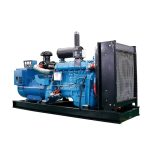 3. Remote Areas and Off-Grid Installations: Diesel generators are often used in remote areas or off-grid installations where access to the main power grid is limited or unreliable. In these situations, diesel generators can provide a reliable source of power to meet the energy needs of the community or facility. 4. Hybrid Power Systems: Diesel generators can be integrated into hybrid power systems that combine multiple energy sources, such as solar, wind, or battery storage. By incorporating a diesel generator into a hybrid system, users can benefit from the reliability of diesel power while also taking advantage of renewable energy sources to reduce fuel consumption and environmental impact. 5. Emergency Response and Disaster Relief: Diesel generators play a vital role in emergency response and disaster relief efforts, providing essential power to hospitals, emergency shelters, and other critical facilities during natural disasters or emergencies. read the article and rapid start-up capabilities make them indispensable in ensuring continuity of operations and saving lives in times of crisis. Conclusion Diesel generators are a versatile and reliable solution for achieving energy independence in a wide range of applications. Their high energy efficiency, reliability, and low maintenance requirements make them an ideal choice for providing backup power, especially in critical settings where uninterrupted power supply is essential. By utilizing diesel generators effectively, individuals, communities, and businesses can ensure a reliable source of power and reduce their dependence on external energy sources. With the right planning and implementation, diesel generators can play a key role in achieving energy independence and securing a sustainable energy future.